The Fire Was Small. The Mistake Was Worse.
The fire was small. The mistake was worse.
On 16 April 1947, at about eight in the morning, smoke was spotted in the fourth hold of the French freighter Grandcamp, docked at Texas City, Texas. She was loading ammonium nitrate — about 2,300 tons of it, in hundred-pound paper sacks — for farmers in France. The longshoremen tried a gallon jug of water and two fire extinguishers. Neither worked, and the hold filled with smoke.
Then the captain made the decision that doomed the ship. No water, he ordered — it would ruin the cargo. Instead, seal the hatches, and pump steam into the hold to smother the fire.
It was the standard response to a fire at sea: seal the hold, starve the fire of oxygen, and it goes out. But ammonium nitrate is not an ordinary cargo. It is an oxidizer — it supplies its own oxygen. Smothering cannot work on a fire that makes its own air. And the sacks were coated in paraffin wax to stop them caking, so the cargo carried its own fuel as well: oxidizer plus fuel, waiting only for heat.
The steam only added heat. It may even have converted some of the ammonium nitrate to nitrous oxide, making the fire worse. At 8:37 a call went out for help, and the Texas City volunteer fire department came, with a Republic Oil Refinery team. The port had fire hydrants but no fire engines of its own. Then the steam pressure blew the hatch off Hold 4, and yellow-orange smoke poured out — the colour of nitrogen dioxide fumes.
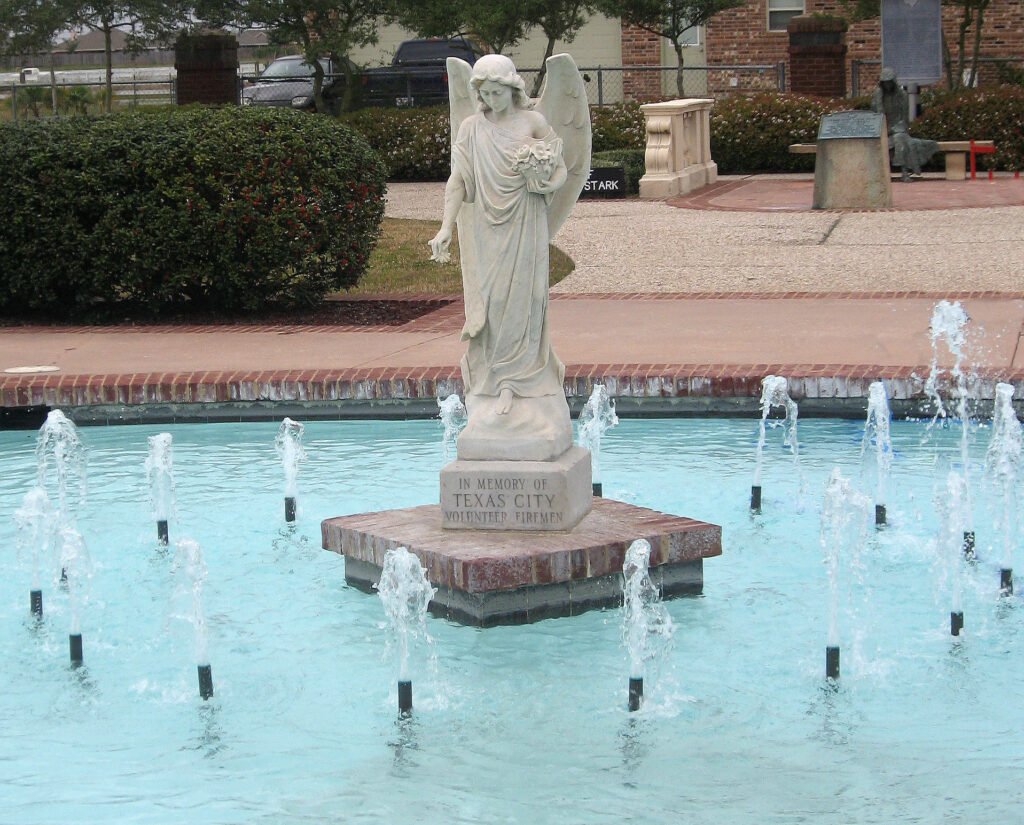
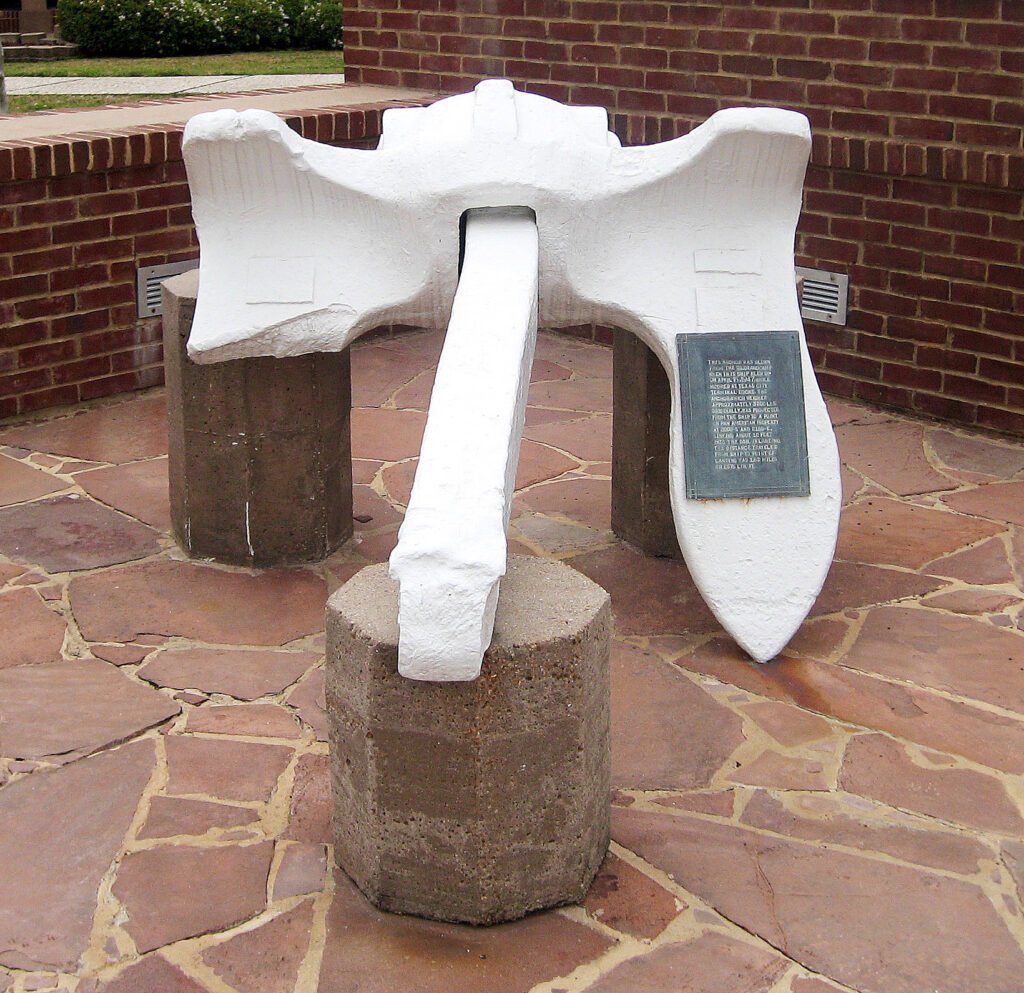
Just over an hour later, at 9:12, the heat split the fuel-oil bunker beside the hold, and fuel oil poured onto the hot fertilizer. The Grandcamp detonated, killing at least 581 people.
Nobody handling the cargo had been told what ammonium nitrate really was. The Department of Agriculture said fertilizer was not dangerous; Army manuals called it a high explosive. Houston had already banned the loading of fertilizer in 1946. Texas City had not. The rules written after the disaster — new chemical handling regulations, smoking banned on the docks, disaster plans for the towns beside the plants — should have existed before.
The fire’s cause was never determined. What is certain is the mistake that followed it: steam cannot smother a fire that makes its own oxygen.
Full story: The Anchor That Flew a Mile and a Half. Watch the episode: https://youtu.be/0x-JVOicTM8